A well-respected connection in the creative industry today posted about how a big-name prospect client had “stolen” his pitching idea. He sounded angry, which is totally understandable for anyone working in a field built around creating ideas, only to see them taken away without payment, or not even credit. He was bold enough to voice it out publicly, and it made me wonder how many people would actually do the same, given the fear of being blacklisted by clients or even facing wider repercussions in the industry. The advertising world is, after all, very small. Reading through the comments under his post, I could immediately tell he was not the first person this had happened to, just visible enough to say it openly.
It made me think about a personal encounter recently. I volunteered to join a focus group study for research purposes. There was a mix of people in the room, ranging from undergraduates to postgraduates to teaching staff, while the moderators were two undergraduate students. The questions were fairly standard, and anyone with an opinion could jump in straight away.
After about 30 minutes, I started noticing something quite obvious. First, most of the comments came from men (perhaps for four out of every five questions). Second, men tended to agree more readily with other men, even though everyone in the room was respectfully nodding and making little “eh” sounds of agreement throughout the discussion.
What triggered me a little was a particular round when I shared an opinion about promoting multidisciplinary collaboration within the school. A male student sitting beside me echoed the point and emphasised its importance. However, when the discussion moved to the third person, he looked directly at my neighbour and said, “I absolutely liked your idea…” before repeating the same point in his own words.
Subtly, I could tell that some participants, as well as the moderators, noticed it too. And trust me, I am not a hypersensitive person. In fact, it only fully registered with me about five seconds later. I was stunned.
It was only a voluntary focus group study. All we were doing was sharing opinions to help the school run better. Luckily, it was not an academic conference, a pitch competition, or a budget meeting. But in that moment, my idea felt directly transferred out of me and repositioned as a novelty belonging to someone else.
As many introverts would do, I started questioning myself. Maybe I got the signal wrong? Maybe he (the third participant) genuinely did not hear what I said? After all, my voice was comparatively softer than the male student who spoke after me. Or maybe he simply wanted to respond to the most recent speaker and felt awkward referring back to someone earlier in the conversation?
But the discomfort stayed with me.
After the session, I went home and decided to let it pass. Then today, I saw that senior creative professional publicly boycotting a major brand, complete with screenshots and pitch decks as evidence. Somehow, it felt like a sign to talk about this openly too.
You see, instead of calling it “stealing”, what I experienced felt more like an idea “transfer”.
In a rather clumsy metaphor, it felt like I had transported an important passenger from New York to Denver, landed safely, and then a receptionist came over and said, “Thank you for your service, we will now transfer Mr X to Vancouver.” Suddenly, my plane was empty, the seat was gone, and there was no trace of Mr X on my flight schedule anymore.
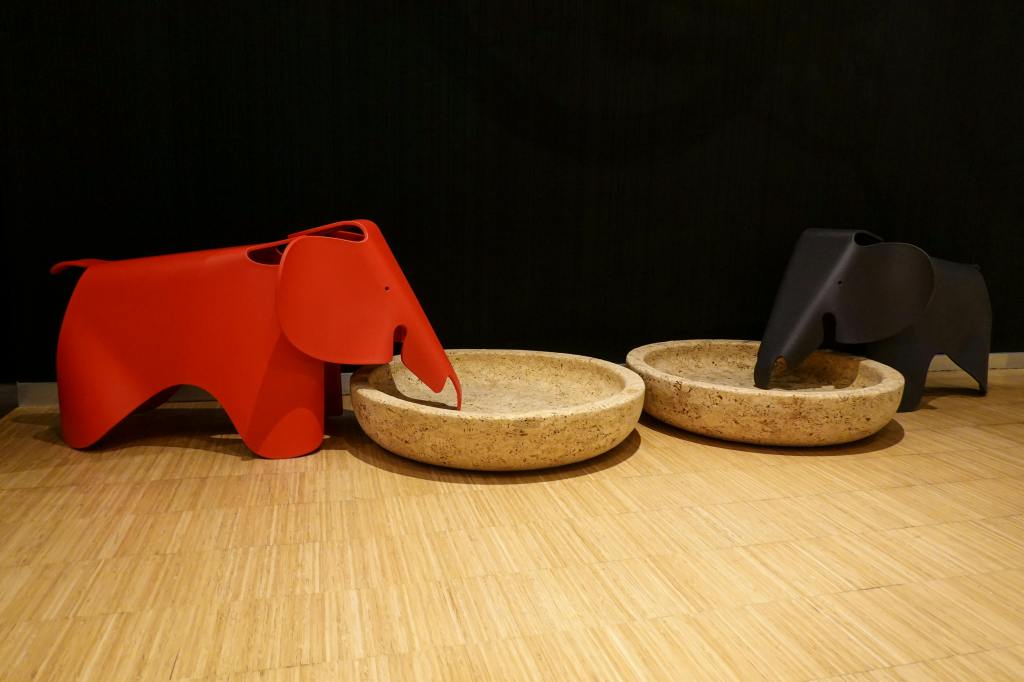
It may be too early to frame this as feminism, equity, or any broader activist discussion. But regardless of gender, seniority, or hierarchy, I think partnerships become far more trusting, collaborative and efficient when we at least acknowledge the elephant in the room:
When a junior employee’s idea is praised, yet the manager receives the credit.
When an agency pitches an idea, yet the client walks away and continues using it.
When a participant shares an idea, yet nobody acknowledges where the idea came from.
Or maybe even something as small as the neighbour who puts extra rubbish into my bin before collection day, without leaving behind a simple note that says, “Thank you.”
Addressing them would perhaps make the world a slightly better place.
 Alice Yu Yuebo
Leave a comment