I used to buy a new dress, priced between 100 and 300 SGD, every two months. That’s over a thousand dollars spent solely on fashion each year. When I made the bold move to leave Singapore to pursue my PhD, the sheer volume of clothes I had accumulated—enough to fill four large boxes—was eye-opening. Those boxes occupied nearly a third of a medium-sized storage unit, not counting the three bags of clothes I’d already donated to charities and recycling shops.
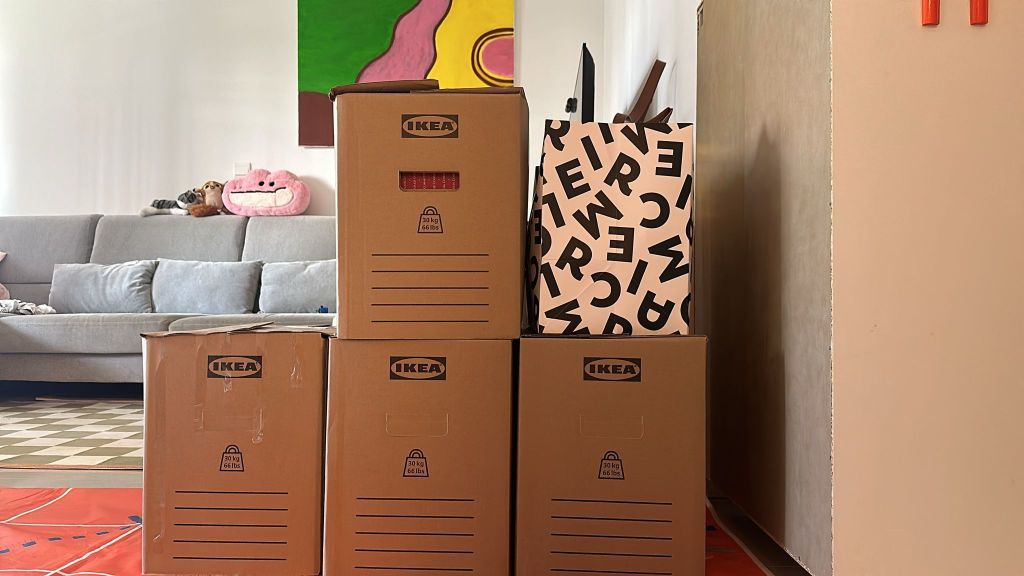
Now, looking at my current wardrobe of fewer than 10 pieces, I’m amazed at how much of an over-consumer I used to be. While I liked to believe I was in control of my shopping habits—telling myself I was doing better by avoiding fast fashion—I realise, reflecting with my marketer’s hat on, that I often turned to shopping when I was stressed or overwhelmed. That fleeting sense of control—seeing a favourite brand on sale, finding my size still available (even better if it was the last one left!)—gave me a quick high. That’s how those four large boxes of expensive clothes, many barely worn more than five times, ended up in a cold, isolated storage unit where they’ll stay for at least the next three years.
Recently, I read about the “greedy job” concept by Nobel Prize winner Claudia Goldin. She defines it as a high-paying, high-pressure role in fields like finance, management, law, and academia—jobs that demand workers to be available at unusual hours. Goldin’s research focuses on why women are less likely to take on these roles, often stepping back to care for children. But I see another angle: how these “greedy jobs” might be driving us to consume unnecessarily, fuelling stress that translates into impulsive purchases beyond rational thinking.
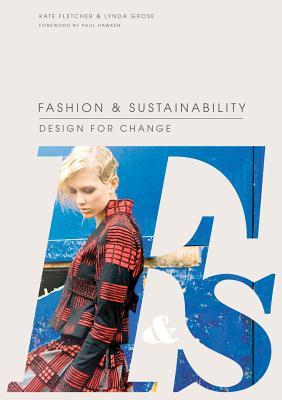
My current research focuses on sustainable fashion, where the “slow movement” is a hot topic. Originating from the slow food movement—which champions nutritious, mindfully prepared meals over fast junk food—the philosophy of slowness has inspired the fashion industry to design recyclable, high-quality garments that stand in stark contrast to the “fast buy, fast throw” mentality. Slow fashion’s core philosophy is timeless and long-lasting, moving away from traditional seasonal cycles. There have been exciting innovations too: involving consumers in co-design, turning static materials dynamic, and infusing nature into design. These changes are reshaping the landscape. With growing awareness around sustainability, even traditional fast fashion brands are pivoting their strategies to appeal to conscious consumers—though many face scrutiny for “greenwashing.”
However, one thing remains stubbornly unchanged: the growth-driven nature of business itself. Even if brands embrace slowness in design and production, they can’t afford to be slow in selling. Otherwise, they risk financial collapse, especially for smaller, boutique brands. In this way, the “slow movement” isn’t entirely slow; part of it still hinges on the relentless growth and capitalisation that underpin our economy.
I haven’t yet found a clear connection between the anxiety driven by modern pressures—like “greedy jobs”—and the way sustainable fashion brands promote themselves to consumers like me. But it’s clear that overconsumption, even of sustainable products, stands in direct contradiction to the first pillar of the 3Rs: reuse. I look forward to exploring these connections further and, hopefully, uncovering deeper insights in my future research.
 Alice Yu Yuebo
Leave a comment