What if motherhood didn’t limit a woman’s identity but instead opened a door to a “third life”— one filled with passion and purpose? As a postpartum depression survivor, Alice Yu Yuebo reimagines the role of a mother, drawing from her journey of building Mama on Palette, Singapore’s first art community for mothers, and the wisdom of the ancient Mosuo tribe in China. She explores how balancing caregiving with creativity and self-discovery can not only improve mental health but also drive societal and economic growth. Discover the profound potential within every mother’s “third life.”
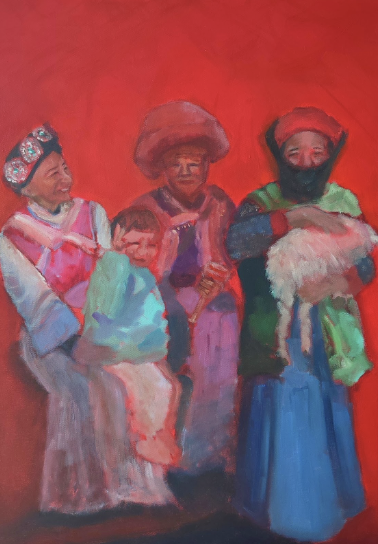
Water-mixable Oil
59.1 cm x 42 cm x 1.5cm (A2)
Woo Yuan Yuan
This beautiful piece, created by Woo Yuan Yuan, a talented artist from my community, Mama on Palette, captures the serene essence of motherhood as seen through the lens of the Mosuo tribe.
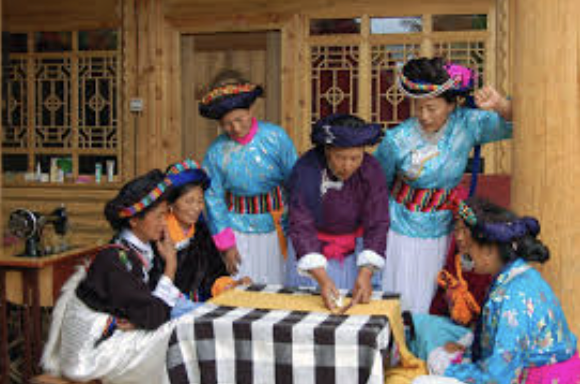
The Mosuo, a matriarchal society nestled near Lugu Lake in China, offers a unique and serene approach to family and child-rearing.
In their community, women lead the household, and the family comes together to raise children with a shared sense of love and responsibility. It’s not just the mother who nurtures the young; the entire extended family, including siblings, plays an active role in upbringing.
Amidst the backdrop of modern city life, where raising children often feels like a stressful and solitary journey, the Mosuo present a refreshing contrast. Their daily lives are filled with moments of joy, relaxation, and unity.
X, Bloomberg Originals (2021)
You can find them gathered by the lakeside or in bustling marketplaces, singing, dancing, and chatting with children by their side. Parenting, for them, is a natural, unhurried, and joyous part of life—one that’s supported by a loving community.
In a world where we constantly juggle multiple responsibilities, there’s much we can learn from the Mosuo—taking life a little easier, embracing simple pleasures, and trusting in the power of community to support us in raising our children. Perhaps, too, we can nurture a third life beyond family and work, dedicating time to pursue something truly fulfilling for ourselves.
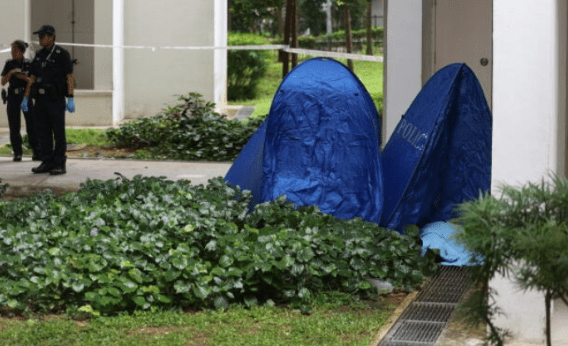
In our current world, however, mothers are facing unprecedented challenges. We shan’t neglect the stress that is put on new mothers, especially when they are experiencing loneliness, helplessness, and anxiety.
One particularly heartbreaking case involved a mother and her three-week-old baby who were found dead in December 2023.
The mother, suspected to be struggling with PPD, had expressed overwhelming stress about caring for her newborn, including concerns about his jaundice and her ability to produce enough breast milk.
Her family suspected that these mounting pressures, alongside the psychological toll of PPD, contributed to the tragedy.
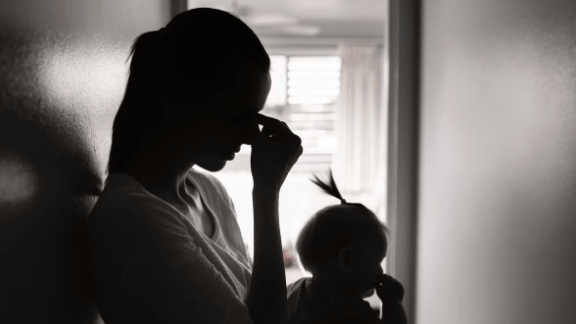
Postpartum depression is increasingly being recognized as a significant issue in Singapore.
KK Women’s and Children’s Hospital (KKH) reported a 47% increase in PPD cases from 2021 to 2022.
The emotional strain of motherhood, combined with societal expectations to be the “perfect parent,” often leaves new mothers feeling isolated and overwhelmed, sometimes leading to extreme outcomes.
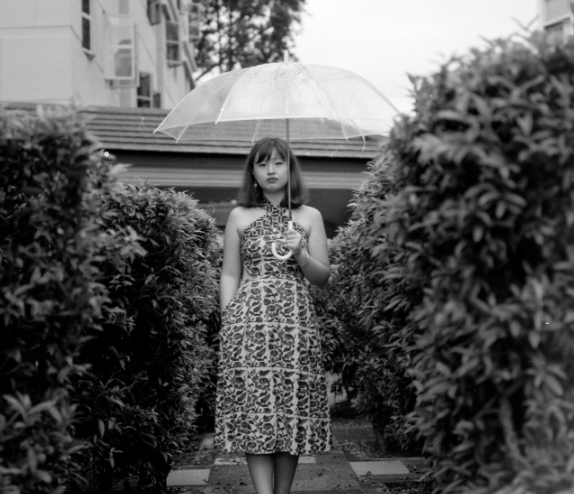
This is exactly what I experienced after becoming a new mother at 26—deep loneliness. Beyond the lack of social connection and support, I struggled profoundly with my identity, feeling lost in the relentless routine of pumping, feeding, and burping (for those unfamiliar, burping is the process of gently patting your baby’s back to release trapped air after feeding, which can easily take 30 minutes).
Suddenly, my entire 24 hours revolved around the baby. I didn’t have the energy or even the mental space to think about doing things I once loved. Hobbies felt like a distant dream when I couldn’t even find time to have a proper meal.
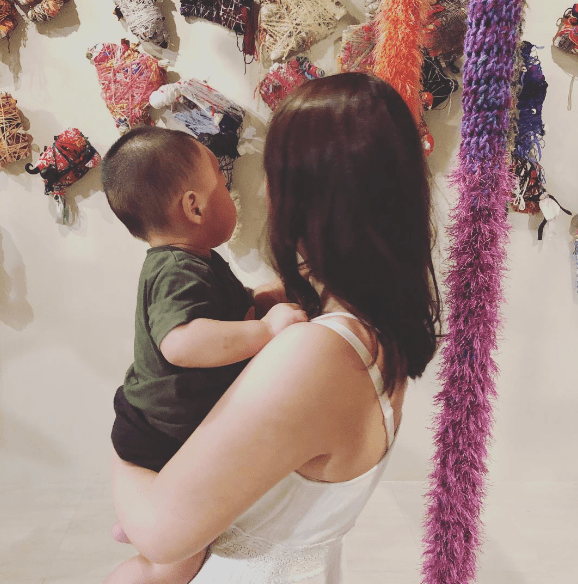
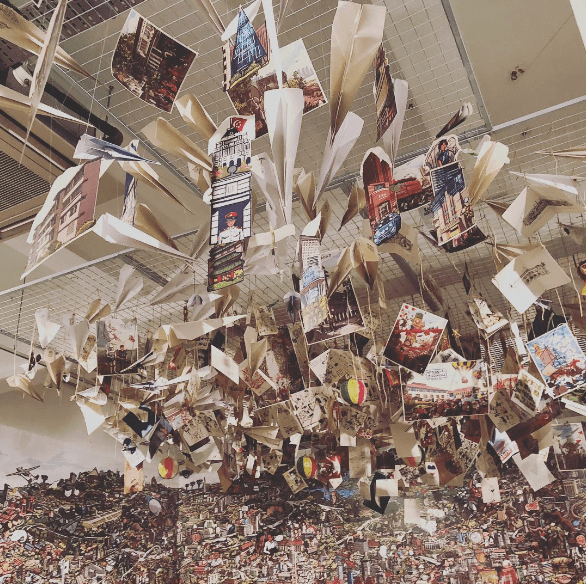
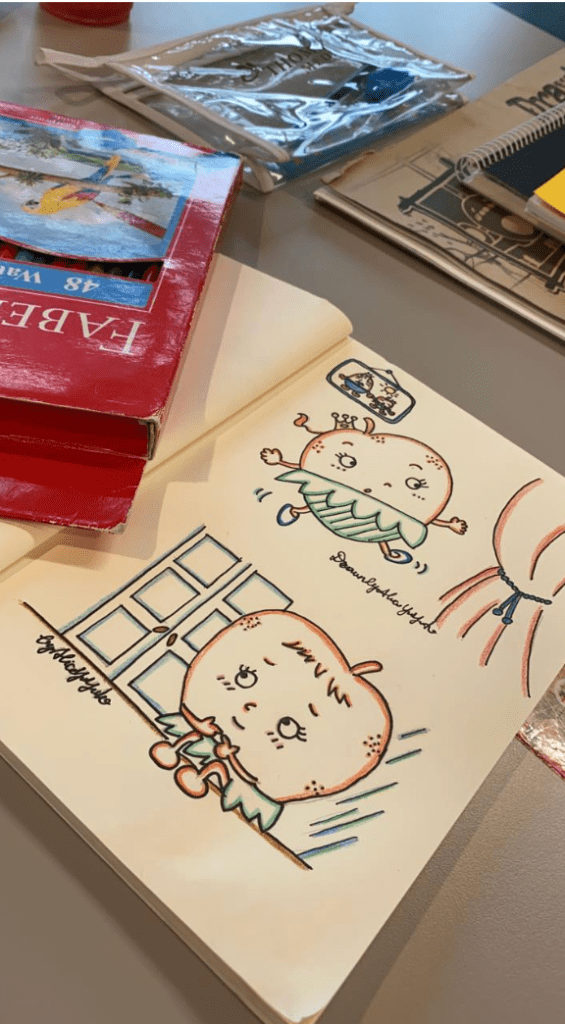
An artsy playdate at the Singapore Art Museum reignited something in me, as I was just beginning to explore drawing again. The simple act of taking control—deciding where I could go and what I could do, even just with a coloured pencil—lifted a heavy mental burden and helped me feel like myself again.
Engaging in creativity offered a sense of freedom and autonomy, which was crucial to reclaiming my identity amidst the responsibilities of caregiving.
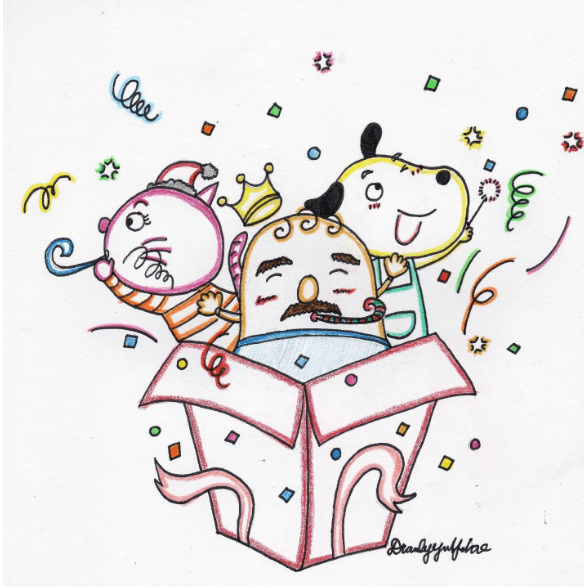
I later discovered that it is scientifically proven that women who take on sole caregiver duties are at a higher risk of experiencing anxiety and depression, with many caregivers reporting significant emotional and physical strain.
In contrast, research shows that women who embrace a third identity—whether through hobbies, creative outlets, or professional activities—experience better mental health.
Studies suggest that women who pursue personal interests are 60% less likely to suffer from depression compared to those whose lives are solely centered on caregiving.
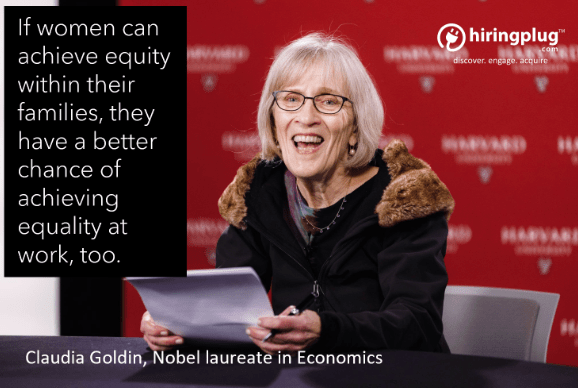
When women take on a third identity—whether pursuing personal passions or professional roles beyond caregiving—the impact reaches far beyond the individual, benefitting psychological, social, and economic well being.
The World Economic Forum has noted that women who manage to balance caregiving with external careers are more likely to sustain their professional trajectories, which not only boosts economic growth but also enhances financial stability for families.
Nobel Prize-winning economist Claudia Goldin reinforces this, emphasizing that with the right support structures, women can contribute substantially to the economy while fulfilling caregiving responsibilities.
History has shown no shortage of women who broke traditional identities:Marie Curie balanced her Nobel Prize-winning scientific achievements with raising two daughters, one of whom also became a Nobel laureate.
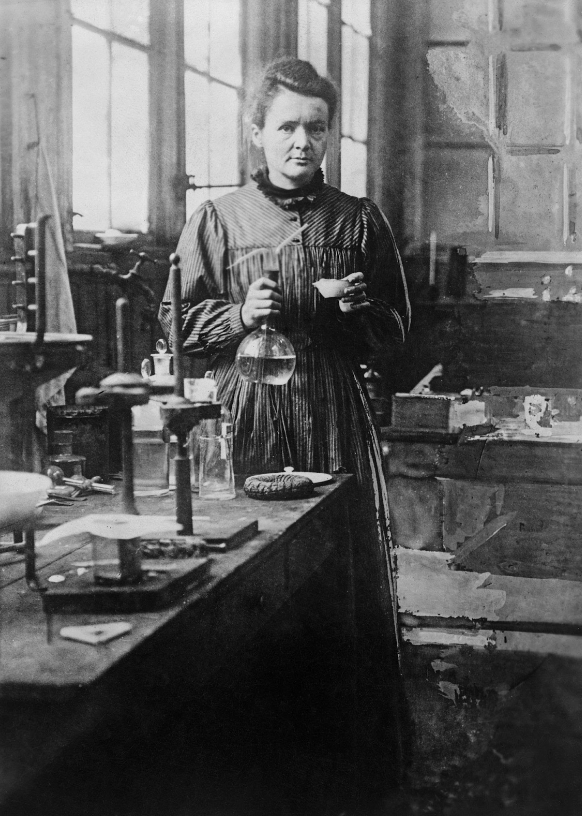
Marie Curie balanced her Nobel Prize-winning scientific achievements with raising two daughters, one of whom also became a Nobel laureate.
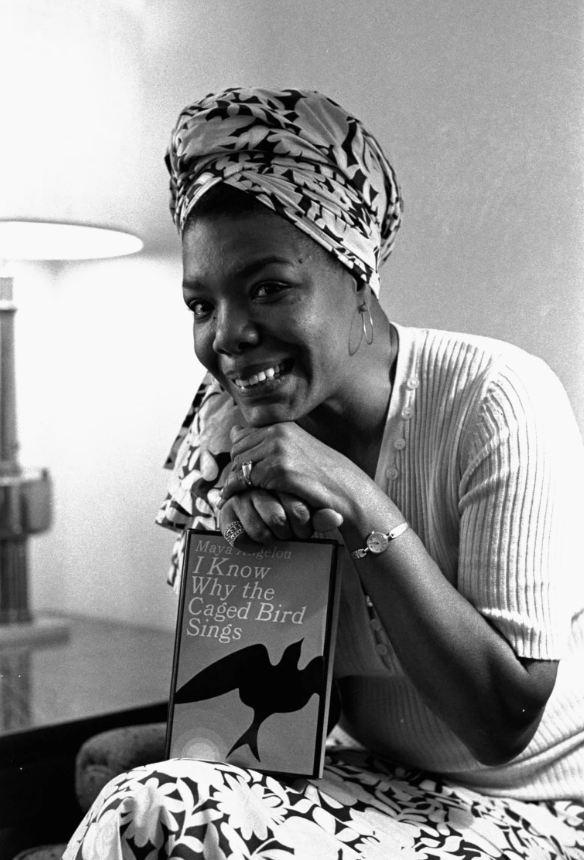
Maya Angelou was an acclaimed poet, memoirist, civil rights activist, and singer, whose multifaceted career spanned literature, film, and social justice.
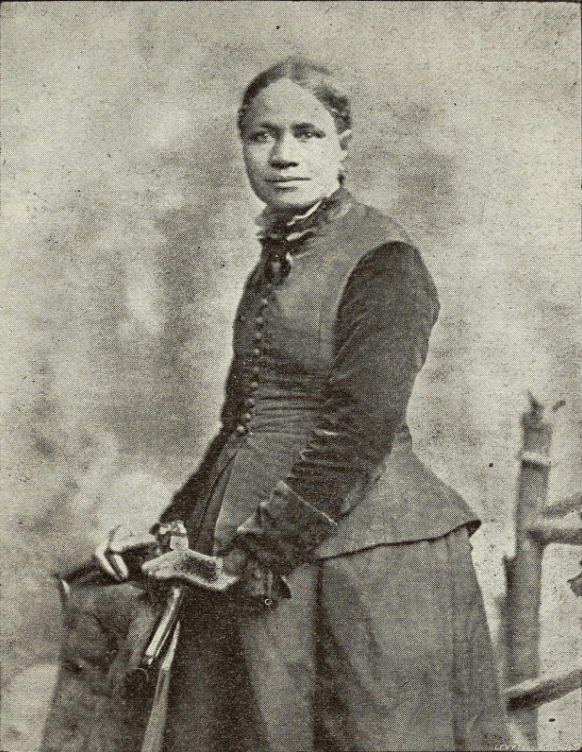
Frances Harper, who inspired the founding of Mama on Palette with her quote, “Every mother is a true artist,” was the first African American woman to publish a short story.
As a poet, lecturer, and activist, she embodied the creativity and resilience of minority women, showing the transformative power of balancing multiple identities.
These women demonstrate how embracing diverse roles leads to personal fulfillment and societal impact.
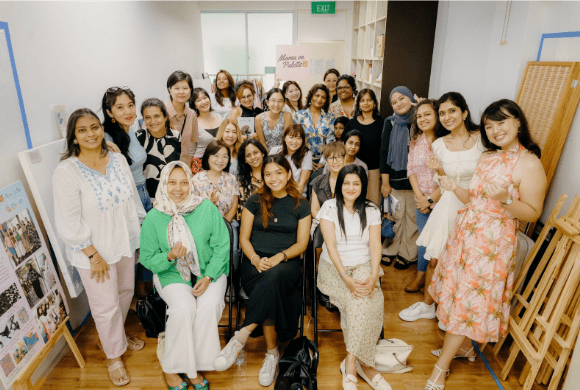
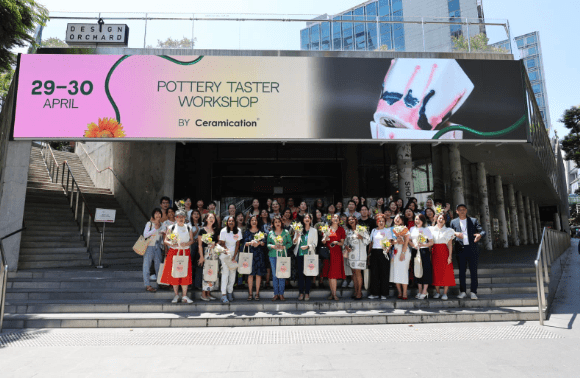
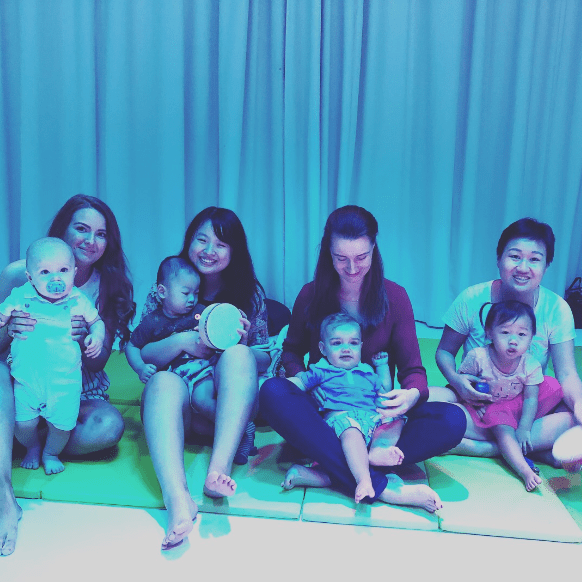
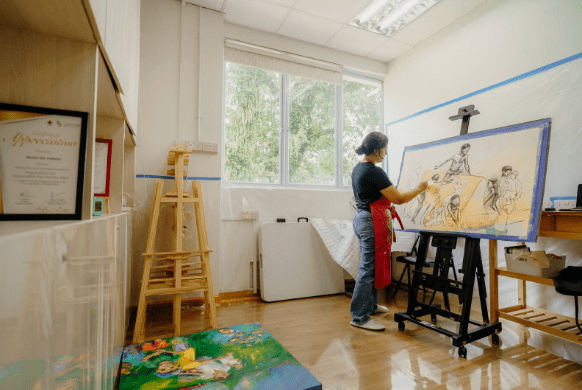
As mothers, we often carry countless responsibilities, and sometimes, what we need most is a moment to pause—an empty space where we can do nothing but gain clarity.
We need #NOMO—the necessity of missing out—rather than the #FOMO, the fear of missing out, as best-selling author Jenny Odell wrote in her book How to Do Nothing.
At Mama on Palette, we create this precious space for mothers to reconnect with themselves, offering a place where they can embrace their needs first.
Our programmes are designed with a ‘mother-first’ approach, rather than ‘child-first,’ which sets us apart from most mummy groups—and we take great pride in that.
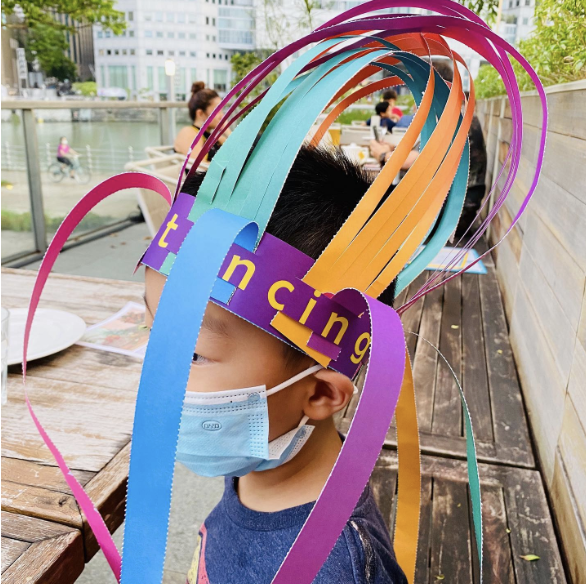
To wrap things up, let me share a funny picture of my son wearing the “Octopus” hat we made together during one of the Singapore Night Festivals. It was vibrant and colorful, and he absolutely loved it.
Reflecting on that moment, I think about us as mothers—and isn’t it a wonderful idea to wear different colored hats, too? We are not just mothers, wives, or workers. We can also be artists, community builders, writers, speakers, and embrace any other identities we desire.
And I’m not just saying this on behalf of mothers, but for everyone in this room. Set out on your journey to find your third identity, and see how much happier you will be!
 Alice Yu Yuebo
Leave a comment